
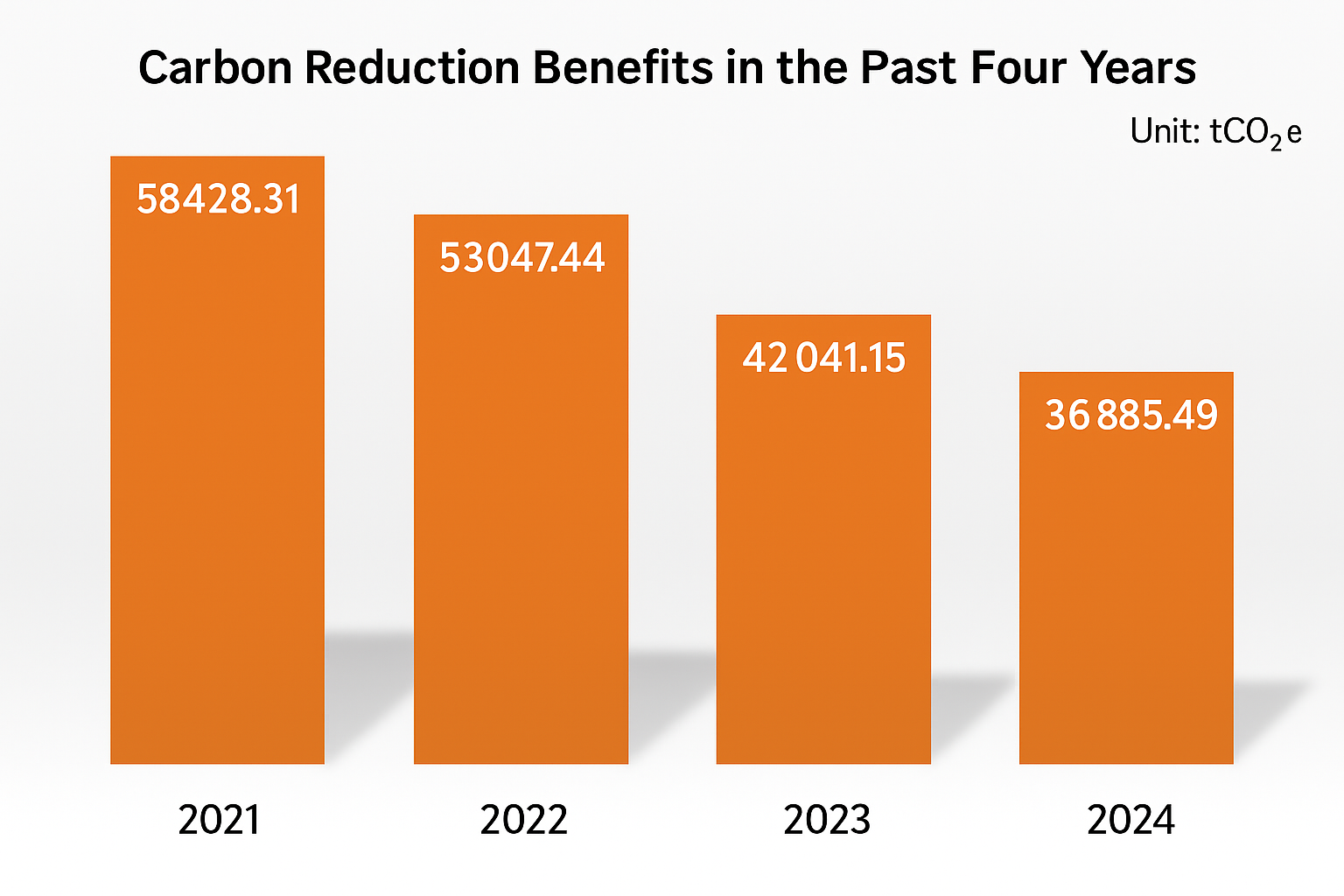
Carbon Reduction Achievements
Using 2021 as the baseline year, we aim to reduce emissions by 3.3% annually. By 2030, we target at least a 30% reduction in greenhouse gas emissions, with the ultimate goal of reaching net-zero by 2050.
Energy Usage
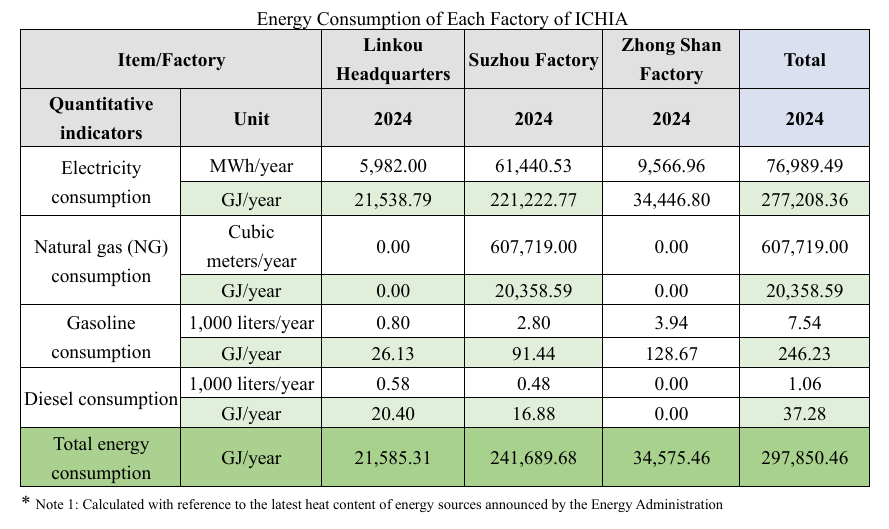
Energy consumption across all plants primarily relies on purchased electricity. Other fuels include natural gas, gasoline, and diesel, which are mainly used for company vehicles, forklifts, kitchens, cafeterias, and dormitories. In 2024, the total energy consumption was 297,850.46 GJ, representing a 7.56% reduction in energy intensity compared with 2023.
Sustainable Resource Management
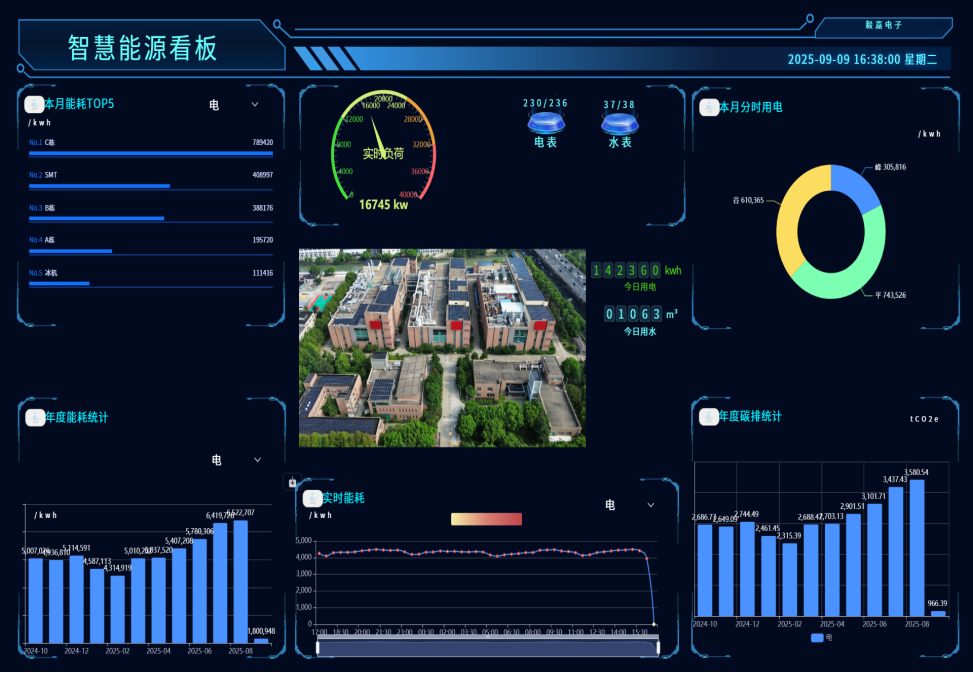
- Real-time Smart MonitoringWe focus on monitoring production and operational activities, with regular improvements to work flows and equipment upgrades. By implementing smart monitoring systems together with the ISO 50001 Energy Management System, we can track energy efficiency in real time.
- Adoption of Green EnergyWe are advancing both green power generation and green energy procurement. This includes installing solar power systems and expanding the use of renewable energy to support sustainable energy development.
Social Participation
- Corporate Social ResponsibilityCommitment to Social Responsibility: Guided by the principle of “giving back to society what is taken from society,” we regard corporate social responsibility as a core value. We focus on social issues and take concrete actions to respond to local needs, actively fostering mutual growth between the company and the community. Corporate development should not be limited to economic performance alone; it should also encompass cultural heritage, public welfare participation, and support for vulnerable groups, extending positive impact outward into societ.
- Local Cultural EngagementIchia , located in Guishan District, Taoyuan City, has long been committed to supporting local arts and cultural development. The Company continues to sponsor cultural and artistic activities and encourages employees to engage in local revitalization initiatives, fostering awareness and respect for cultural diversity. Through collaborations with community cultural organizations and educational institutions, Ichia not only provides resource support but also creates broader opportunities and platforms for cultural participation, thereby enriching the social and cultural fabric of the community.
Sustainable Action
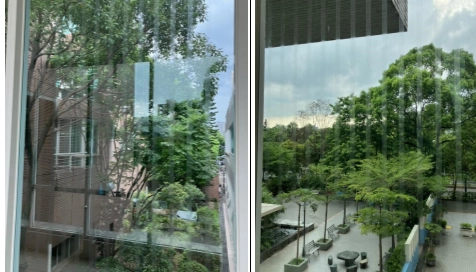
- Creating a Nature-Friendly EnvironmentTo mitigate the risk of avian collisions caused by building glass, we have installed "bird-friendly window films" in designated areas. These films enhance visual recognition for birds, preventing them from misjudging the glass as an open pathway. Since the implementation, bird injury and mortality incidents have been virtually eliminated, demonstrating remarkable results. This measure not only underscores the company’s commitment to biodiversity but also reflects the integration of nature-friendly principles into facility design.
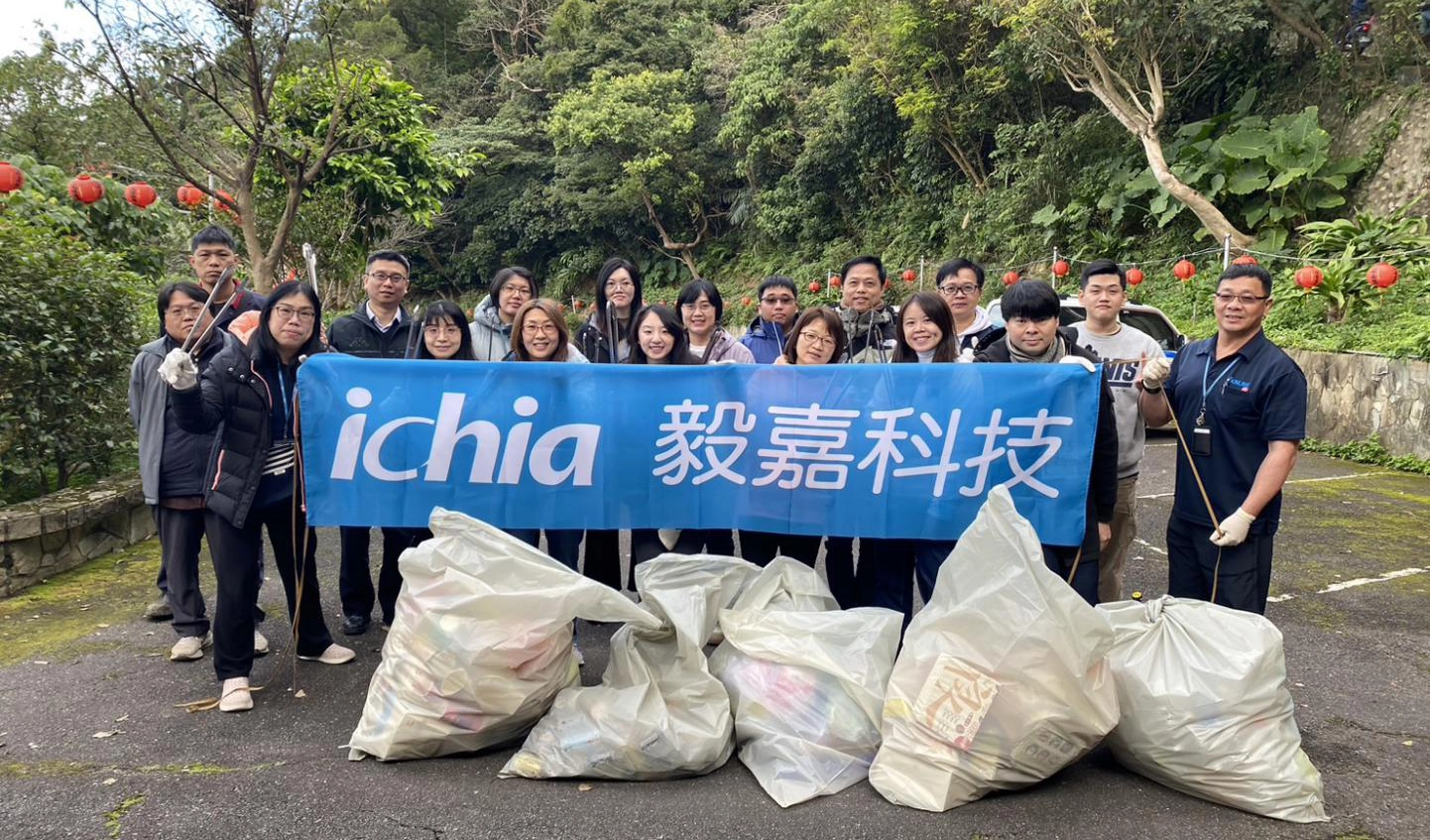
- Supporting the “Leave No Trace” PrincipleForests and mountains are not only habitats for diverse species, but also vital resources for water conservation, climate regulation, and human recreation and well-being. In line with our corporate responsibility to protect nature, we actively promote and participate in mountain clean-up initiatives.We have successively taken part in activities such as the “I Love Guishan Clean-Up,” the “Suzhou Gejiawu Clean-Up,” and the “Torch Environmental Volunteer Program,” removing litter from forests to restore the natural landscape. These activities also integrate environmental education, deepening respect and appreciation for nature.
- Supporting Rural EducationSt. Joseph Technical Senior High School in Taitung is a private vocational high school founded by missionaries of the Bethlehem Mission Society (SMB). As a cornerstone of vocational education in Eastern Taiwan, the school has long played a vital role in cultivating local technical talent.
However, driven by the trend of a declining birthrate, the school has faced structural pressures in recent years, including recruitment challenges and limited financial resources. These hurdles have hampered the progress of upgrading campus teaching facilities and learning environments.
In 2024, Ichia donated NT$1.5 million to assist the school in completing the installation of 22 air conditioning units. Previously, the school relied solely on industrial floor fans and ceiling fans to cope with high temperatures, making it the only school in the Taitung area that had not yet fully implemented air conditioning. This donation has tangibly improved the teaching and learning environment for over 600 students and faculty members by effectively enhancing classroom comfort. It stands as a testament to Ichia’s substantive commitment and effectiveness in improving educational environments in rural areas. - Nurturing National AthletesSince its inception, the Taiwan Ladies Professional Golf Association (TLPGA) has been dedicated to promoting women's golf, organizing experiential events, and cultivating national-level female golfers, demonstrating a steadfast commitment to public welfare and technical training.
Ichia provides long-term financial assistance for the training expenses of three TLPGA players. Through stable monthly support, these athletes can focus on pushing their limits and competing on the international stage without financial worries. Additionally, Ichia sponsored the "Wistron Partner Appreciation Golf Tournament" with NT$1 million. These initiatives not only empower women to shine in the professional sports arena but also strengthen Taiwan's competitive edge in international sports, injecting a sustainable and positive momentum into the development of golf. - Promoting Marine Conservation in TaiwanBiodiversity encompasses three primary levels: Ecological Diversity, Species Diversity, and Genetic Diversity. Often referred to as the "rainforests of the sea," coral reefs cover less than 1% of the global ocean floor yet provide a habitat for more than a quarter of all marine life, making them a critically important ecosystem. Healthy coral reefs also serve as natural breakwaters, protecting shorelines and island communities from erosion and storm surges.
Ichia has sponsored the Penghu Coral Reef Restoration Project with a donation of over NT$300,000, adopting a 2-square-meter tile restoration zone and two 3D restoration bases. This initiative, collaboratively driven by local government, academic research institutions, and the diving community, has successfully replanted coral colonies in multiple harbors and restored local fish populations. Furthermore, the project engages the public through marine education and volunteer monitoring programs.
- Supporting and Caring for Healthcare WorkersIchia recognizes the heavy physical and mental burdens frontline healthcare workers endure under high-pressure environments, and we understand that a strong healthcare system relies on their stability and professional dedication. To this end, we have been a long-term donor to the Cih Yue Charity Foundation, joining hands to promote initiatives centered on “caring for the caregivers” and supporting the welfare and rights of medical professionals. Since its establishment in 2009, the Cih Yue Charity Foundation has been dedicated to addressing the stress and high turnover rates in Taiwan’s healthcare workforce. Through care seminars, psychological support workshops, emergency aid, and scholarship programs, the foundation helps healthcare workers find relief and social support within a strained system. It also raises public and corporate awareness of the systemic challenges faced by medical professionals.
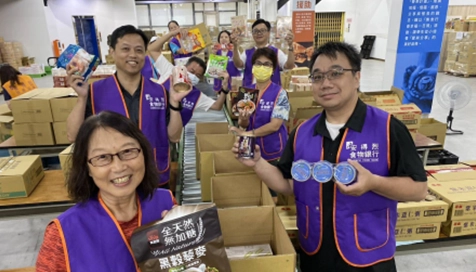
- Continuously Driving Public Welfare Initiatives Each year, Ichia promotes a variety of volunteer service programs and donation initiatives, focusing on disadvantaged groups such as low-income households, unattended elderly, and new immigrant families. Public welfare projects are designed with local needs in mind, ensuring relevance to the communities we serve. We encourage employees to take action and contribute directly, with the hope that every colleague becomes a positive force for social change. Looking ahead, Ichia will continue expanding its role in the social value chain, strengthening collaboration across departments and with social organizations. By aligning with the United Nations Sustainable Development Goals (SDGs), we are committed to fulfilling our long-term promise of “corporate-community shared prosperity.”
Identifying Stakeholders and
Communication Channels
Key stakeholders include: investors (shareholders and the board of directors), regulatory authorities, customers and business partners, supply chain vendors, all employees, and financial institutions.